
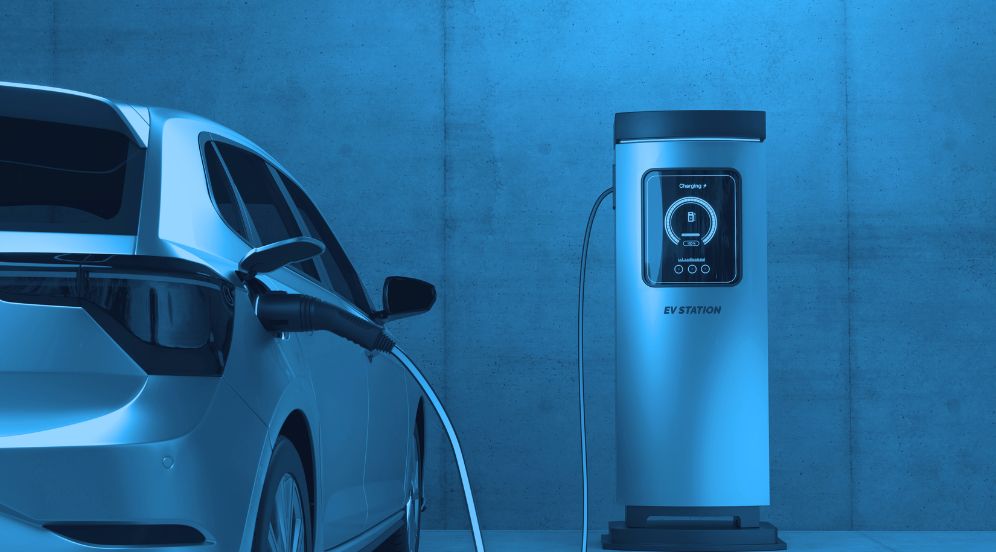
Electric vehicles (EVs) are no longer a futuristic concept—they’re here, and they’re revolutionizing transportation. With EV adoption skyrocketing (even underground tunnels are being built just for EVs), parking facilities across the country are racing to install EV charging stations to meet demand.
While these additions represent progress, they also come with challenges, particularly in safeguarding chargers from accidental damage.
Cingo [Column Wraps] provide an elegant solution. These versatile wraps act as parking column protectors, shielding infrastructure while ensuring smooth operations.
Here’s how they can make a difference in EV charging station protection.
The Growing Importance of EV Charging Stations
As EVs become mainstream, parking facilities are evolving to support this shift. According to the National Renewable Energy Laboratory (NREL), the number of EV chargers needed across the U.S. is expected to rise dramatically in the next decade. Facilities that don’t adapt risk losing relevance, but installing charging stations isn’t without risks.
EV chargers are often placed near structural columns, making them vulnerable to vehicle impacts. Without proper protection, minor collisions can cause significant damage, leading to downtime, repair costs, and frustrated customers.
Cingo [Column Wraps]: A Purpose-Built Solution
Cingo [Column Wraps] are designed with EV charging stations in mind. As parking column protectors, they safeguard both the column and adjacent chargers from accidental scrapes and bumps. Their customizable designs enhance visibility, making charging stations easier to locate while adding a layer of physical protection.
Key Benefits for EV Charging Stations:
- Impact Protection: Absorbs minor collisions to protect chargers and structural columns.
- Visual Enhancement: Bright, custom designs improve visibility for drivers and customer experience.
- Durability: Weather-resistant materials ensure long-term reliability, indoors or outdoors.
Why EV Station Protection Matters
For parking facility owners and operators, protecting EV infrastructure is about more than avoiding repair costs.
A damaged charging station interrupts service, erodes customer trust, and reflects poorly on the facility’s management. Research from the U.S. Department of Energy highlights the importance of reliability in maintaining customer satisfaction and maximizing station utilization.
Investing in solutions like Cingo [Column Wraps] ensures your EV stations remain operational and accessible, supporting the needs of an increasingly electrified customer base.
Enhancing the Charging Experience
Customer experience is key to the success of any EV charging station. A well-designed, protected station not only attracts EV drivers but also encourages repeat visits.
The versatility of Cingo [Column Wraps] helps create an organized, safe environment where drivers feel confident and valued.
🌟 Pro Tip: Combine Cingo wraps with clear wayfinding signage to further streamline navigation within your facility. This reduces driver confusion and ensures charging spots are utilized efficiently.
Making a Long-Term Investment
Cingo [Column Wraps] represent a cost-effective, long-term investment for parking facilities. By preventing damage, reducing maintenance needs, and enhancing aesthetics, they offer a high return on investment. Facility managers can focus less on repairs and more on delivering a seamless charging experience.
EV adoption is clearly increasing year over year. And the need for robust, reliable charging infrastructure will also grow. Cingo [Column Wraps] provide the protection and visibility needed to ensure your facility keeps pace.
For parking facility owners and operators looking to safeguard their assets and serve EV drivers better, these parking column wraps are an essential tool.
Frequently Asked Questions About Protecting EV Charging Stations
01Why do EV charging stations need protection in a parking garage?
+
The article says that as parking facilities race to install chargers, they face a new challenge: safeguarding the chargers from accidental damage. A damaged charging station interrupts service, erodes customer trust and reflects poorly on the facility’s management. It cites U.S. Department of Energy research on the importance of reliability for customer satisfaction and station utilization, so protecting chargers is about uptime and trust, not only repair cost.
02How do column wraps protect EV chargers?
+
The article lists three benefits for charging stations. Impact protection: the wraps absorb minor collisions to protect chargers and structural columns. Visual enhancement: bright, custom designs make charging stations easier to locate, which helps both drivers and the customer experience. Durability: weather-resistant materials for reliability indoors or outdoors. The wraps shield against minor contact, not against a vehicle driven into a charger at speed, so confirm the layout with your engineer.
03Can wraps make charging stations easier to find?
+
Yes. The article says customizable designs enhance visibility, making charging stations easier to locate while adding a layer of physical protection. Because the wraps are printed to your design, color, branding and directional graphics can mark the charging zone, point drivers to it from the entry and match the rest of your wayfinding system. See our product page for the sizes, shapes and materials available.
04What is the cost case for protecting EV infrastructure?
+
The article’s argument is that protecting EV infrastructure is about more than avoiding repair costs: it keeps stations operational and accessible, and by reducing repairs and enhancing aesthetics the wraps offer a high return on investment, letting facility managers focus on delivering a seamless charging experience. It gives no price or payback figure, and Cingo quotes each project individually, so request a quote and compare it with your own charger repair and downtime history.
05Can EV charging zones also generate advertising revenue?
+
They can. Our article on monetizing EV charging wait time explains that a charging session takes anywhere from 30 minutes to several hours at Level 2 and 20 to 45 minutes at DC fast chargers, which creates a captive audience. The same wraps that protect the columns beside a charger can carry property branding, amenity promotion or advertiser messaging, so protection and revenue can come from one installation.